


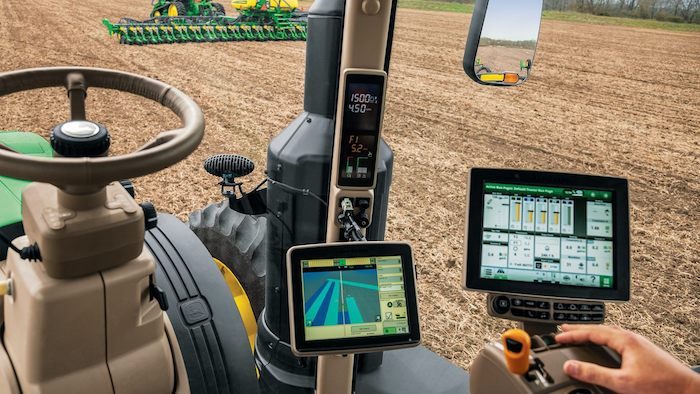
Modern agriculture has seen a revolutionary shift with the advent of advanced technology. One of the most impactful innovations is tractor guidance system. These systems enhance efficiency, reduce labor, and improve crop yields. In this article, we will delve into understanding the science behind tractor guidance systems, exploring how they work, their components, and their benefits to modern farming.
What Are Tractor Guidance Systems?
Tractor guidance systems, also known as auto-steering systems, are technological solutions designed to assist farmers in accurately navigating agricultural machinery across fields. Using satellite technology, sensors, and advanced software, these systems ensure precise movement and operation, even in challenging terrain.
How Tractor Guidance Systems Work
To fully grasp understanding the science behind tractor guidance systems, it’s important to know how they function:
- Global Navigation Satellite System (GNSS): Modern tractors rely on GNSS, including GPS, for accurate positioning. This allows the tractor to follow predetermined paths with minimal deviation.
- Sensors and Steering Control: Sensors detect the tractor’s position and make real-time adjustments to the steering system. This ensures the tractor remains on its intended course.
- Software Integration: Advanced software processes data from satellites and sensors, providing guidance signals to the tractor. Some systems even integrate with farm management platforms for optimized operations.
By combining these technologies, tractor guidance systems reduce human error and improve field efficiency.
Benefits of Tractor Guidance Systems
Understanding the science behind tractor guidance systems helps appreciate their multiple advantages:
- Enhanced Precision: Crops are planted and harvested with minimal overlap, reducing seed and fertilizer waste.
- Increased Productivity: Operators can work longer hours without fatigue, as the system handles steering automatically.
- Cost Efficiency: Reduced input wastage and optimized operations lead to lower overall production costs.
- Environmental Sustainability: Precise application of fertilizers and pesticides minimizes environmental impact.
Future of Tractor Guidance Systems
The science behind tractor guidance systems continues to evolve with advancements in artificial intelligence, machine learning, and robotics. Future systems are expected to offer fully autonomous operations, even integrating real-time data from soil sensors, weather forecasts, and crop health monitoring to optimize fieldwork.
Tractor guidance systems represent a perfect example of technology transforming agriculture. By understanding the science behind tractor guidance systems, farmers can leverage precision agriculture to improve productivity, reduce costs, and ensure sustainable farming practices. As technology advances, the role of these systems will only become more central to modern farming.
