


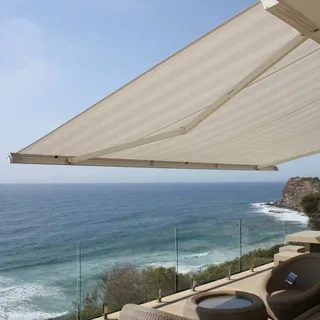
When choosing an awning for your home or business, two of the most popular options are retractable awning and fixed awnings. Both offer unique benefits, but deciding which one is the best fit depends on your specific needs, preferences, and the climate in your area. In this article, we’ll explore the differences between retractable and fixed awnings, helping you make an informed decision.
What Are Retractable Awnings?
Retractable awnings are designed to extend and retract, offering flexibility and convenience. They’re typically operated manually or electronically and can be adjusted to provide shade when needed and retracted when you want to enjoy the sun.
Pros of Retractable Awnings:
- Flexibility: You can control how much shade you get depending on the time of day or weather conditions.
- Space-Saving: When retracted, retractable awnings don’t take up space, keeping your outdoor area unobstructed.
- Protection: Retractable awnings can protect your furniture and floors from UV rays when extended, and retract when not in use, reducing wear and tear on the fabric.
- Automatic Options: Some retractable awnings come with sensors that automatically retract when strong winds or heavy rain are detected, offering extra protection.
Cons of Retractable Awnings:
- Cost: Retractable models are often more expensive than fixed ones, especially if they come with motorized mechanisms.
- Maintenance: They may require more maintenance and care, particularly if the mechanism is electronic.
- Vulnerable in Extreme Weather: While they offer flexibility, retractable awnings can be damaged in very severe weather conditions if not properly retracted.
What Are Fixed Awnings?
Fixed awnings are permanent structures installed over windows, patios, or entrances. Unlike retractable models, they do not move and remain in place year-round. Fixed awnings are designed to provide long-term shade and shelter from the elements.
Pros of Fixed Awnings:
- Durability: Fixed awnings are designed to last for many years and withstand all types of weather, providing consistent protection.
- Low Maintenance: Once installed, fixed awnings require minimal maintenance compared to retractable models.
- Weather-Resistant: Since they are stationary, they are often better suited for areas that experience high winds, snow, or heavy rain.
- Aesthetic Appeal: Fixed awnings can be customized to blend seamlessly with the architectural style of your home or business, often adding to the property’s curb appeal.
Cons of Fixed Awnings:
- Lack of Flexibility: Since fixed awnings are stationary, you cannot adjust the amount of shade they provide. This can be limiting, especially during different times of the day or seasons.
- Permanent Installation: Fixed awnings require more intensive installation, as they are securely fastened to your property, making them less ideal for renters or those who may want to move or change their setup in the future.
- No Seasonal Adjustment: Unlike retractable models, fixed awnings cannot be rolled back to expose your outdoor space to the sun or to adjust to changing weather conditions.
Which One is Right for You?
Deciding between retractable awnings and fixed awnings largely depends on your preferences, lifestyle, and the environment where you live. Here are some factors to consider:
- Climate:
- If you live in an area with frequent weather changes or high winds, fixed awnings might be the better option since they’re designed to withstand harsher conditions.
- If you experience mild weather and want to enjoy the ability to change your level of shade, retractable awnings might be ideal.
- Budget:
- Retractable awnings are generally more expensive upfront and may require additional maintenance. However, they provide more flexibility, which can justify the cost for some homeowners.
- Fixed awnings tend to be more affordable in terms of installation and maintenance, making them a cost-effective solution for those who want something durable but without the extra features.
- Space Usage:
- If you have limited outdoor space or want to maintain an unobstructed view when not using the awning, retractable awnings offer the benefit of retractability and space-saving.
- On the other hand, fixed awnings may be the best choice for larger outdoor areas where you want consistent shade or protection from the elements.
Conclusion
Both retractable and fixed awnings offer unique advantages. If flexibility, adjustability, and ease of storage are important to you, a retractable awning may be the better option. If durability, low maintenance, and year-round protection are more important, then a fixed awning could be the ideal choice.
Carefully consider your space, budget, and the climate you live in before making your decision. Whether you choose a retractable or fixed awning, both options can enhance your outdoor experience, offering shelter, style, and comfort.
