


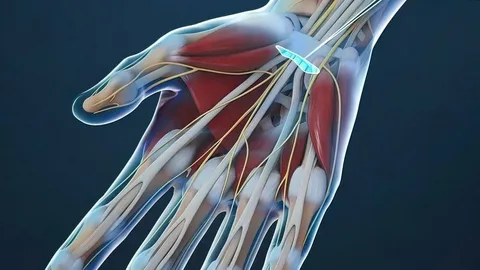
Carpal tunnel syndrome is a common condition that causes numbness, tingling, and pain in the hand and wrist. When conservative treatments such as splinting or medication are no longer effective, surgery may be recommended. Preparing for carpal tunnel surgery: what to know before the operation can help ensure a smoother procedure and recovery.
Understanding Carpal Tunnel Surgery
Carpal tunnel surgery, also known as carpal tunnel release, involves cutting the ligament that is pressing on the median nerve in the wrist. This can relieve pain, improve hand function, and prevent further nerve damage. The procedure is usually performed under local anesthesia and can be done as an outpatient surgery.
Preoperative Preparations
Before undergoing surgery, several steps can help ensure a successful outcome:
1. Medical Evaluation
Your doctor will review your medical history and perform a physical examination. Blood tests or imaging may be required to rule out other conditions. Inform your surgeon about any medications or supplements you are taking, as some may need to be paused before surgery.
2. Medication Management
Certain medications, such as blood thinners, may need to be stopped temporarily to reduce the risk of bleeding. Your doctor will provide specific instructions on which medications to continue or discontinue.
3. Lifestyle Adjustments
Eating a healthy diet and staying hydrated can promote healing. Avoid smoking, as it can slow recovery. Planning for postoperative care, such as arranging transportation and help at home, is also crucial.
What to Expect on Surgery Day
On the day of surgery, you will likely be asked to arrive early for preoperative preparations. The procedure usually takes less than an hour. You may experience mild discomfort or swelling after the surgery, which can be managed with pain medications and proper hand elevation.
Recovery and Rehabilitation
Recovery from carpal tunnel surgery can vary. Most patients can resume light activities within a few days, while full strength and mobility may take several weeks. Hand therapy or exercises may be recommended to restore movement and prevent stiffness.
Tips for a Smooth Recovery
- Follow your doctor’s instructions carefully regarding wound care and activity restrictions.
- Keep your hand elevated to reduce swelling.
- Perform gentle exercises as advised to regain strength.
- Attend follow-up appointments to monitor healing progress.
Conclusion
Preparing for carpal tunnel surgery: what to know before the operation involves understanding the procedure, following preoperative instructions, and planning for recovery. Being informed and proactive can make the process less stressful and improve outcomes, helping you return to your daily activities with minimal discomfort.
