


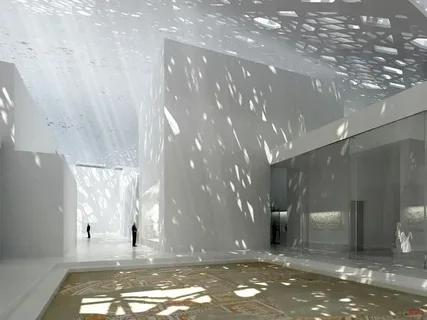
Modern architecture increasingly emphasizes sustainability, comfort, and aesthetic appeal. One design element that has gained significant attention for achieving these goals is the louvre system. From residential buildings to commercial complexes, louvre systems are revolutionizing the way light and airflow are managed in structures.
Understanding Louvre Systems
Louvre systems are adjustable or fixed slats installed on windows, façades, or roofs. They can be made from materials like aluminum, wood, or glass. The primary function of louvres is to control the amount of natural light entering a space while facilitating proper ventilation. By adjusting the angle of the slats, architects and building managers can achieve the perfect balance between brightness, privacy, and airflow.
Optimizing Natural Light
One of the most remarkable benefits of louvre systems is their ability to transform light in structures. Unlike traditional windows that allow uncontrolled sunlight, louvres can diffuse light evenly throughout a room. This reduces glare and prevents excessive heat, creating a comfortable environment for occupants. By controlling sunlight, louvre systems not only enhance interior aesthetics but also contribute to energy efficiency by reducing the need for artificial lighting.
Enhancing Airflow and Ventilation
In addition to light management, louvre systems are pivotal in transforming airflow within buildings. Properly angled louvres enable cross-ventilation, allowing fresh air to circulate while expelling hot air. This natural ventilation system reduces reliance on mechanical cooling, lowering energy costs and promoting healthier indoor air quality.
Applications in Modern Architecture
Louvre systems are versatile and can be integrated into various structures. In commercial buildings, they serve both functional and decorative purposes, improving façade aesthetics while optimizing environmental conditions. Residential homes benefit from louvres through enhanced privacy, light control, and airflow. Moreover, louvre systems are increasingly used in public structures like airports and museums, where both comfort and energy efficiency are crucial.
Conclusion
Louvre systems have emerged as an innovative solution for transforming light and airflow in structures. By offering precise control over sunlight and ventilation, they contribute to sustainable building practices and enhance occupant comfort. Whether for commercial, residential, or public applications, louvre systems are proving to be an essential element in modern architectural design.
With the growing focus on energy efficiency and indoor comfort, understanding how louvre systems transform light and airflow in structures is essential for architects and designers aiming to create functional, sustainable, and visually appealing spaces.
