


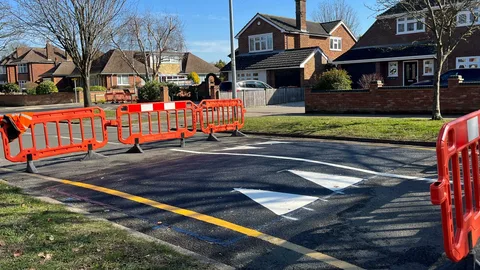
Traffic safety is a major concern for residential areas, schools, and commercial properties. One of the most effective methods to control vehicle speed and enhance pedestrian safety is installing speed bumps. In this article, we will guide you through everything you need to know about installing speed bumps, from planning to execution.
What Are Speed Bumps?
Speed bumps are raised sections of pavement designed to slow down vehicles in specific areas. Unlike speed humps, which are longer and less aggressive, speed bumps create a noticeable jolt that forces drivers to reduce speed immediately. They are commonly used in parking lots, school zones, and private roads to prevent accidents and protect pedestrians.
Benefits of Installing Speed Bumps
Before diving into installation, it’s essential to understand the benefits:
- Enhanced Safety: Speed bumps reduce vehicle speed, lowering the risk of accidents.
- Traffic Control: They regulate traffic flow in high-risk areas.
- Property Protection: Slower speeds decrease the likelihood of damage to nearby property.
- Pedestrian Security: Pedestrians, especially children, can safely navigate streets with speed bumps.
Planning for Speed Bump Installation
Proper planning ensures that speed bumps are effective and compliant with local regulations. Key considerations include:
- Location: Identify areas with high pedestrian traffic or frequent speeding.
- Regulations: Check local traffic laws regarding speed bump dimensions, signage, and placement.
- Material: Speed bumps can be made of asphalt, rubber, or plastic. Rubber is ideal for temporary or modular installation, while asphalt is more permanent.
- Signage: Warning signs are crucial to alert drivers of upcoming speed bumps.
Step-by-Step Installation Process
Here’s a general guide on how to install speed bumps:
- Measure and Mark: Determine the exact location and mark the start and end points.
- Prepare the Surface: Clean and level the road surface to ensure proper adhesion.
- Install the Speed Bump: For rubber speed bumps, use anchor bolts. Asphalt speed bumps require paving and curing.
- Add Signage: Install reflective signs to warn drivers ahead of the speed bump.
- Maintenance: Regularly inspect for wear and tear to maintain safety and effectiveness.
Common Mistakes to Avoid
Even small errors can reduce the effectiveness of speed bumps:
- Installing in the wrong location where traffic is minimal.
- Using improper materials that degrade quickly.
- Failing to include adequate signage or markings.
By avoiding these mistakes, you ensure that your speed bumps function correctly and last longer.
Conclusion
Installing speed bumps is a straightforward yet highly effective way to improve safety in high-traffic areas. Understanding the process, regulations, and best practices is crucial for a successful installation. This guide on everything you need to know about installing speed bumps provides the essential steps, benefits, and tips for long-term maintenance. Whether for a school, residential street, or commercial property, proper installation ensures safer roads for everyone.
